

Innovative Medical Device Research Center
About the Advanced Materials & Robotics Research Division
Based on 3D bioprinting technology, the division supports research in biomaterials such as artificial bone, artificial joints, and artificial blood vessels. Using its in-house 3D bioprinters, it supports the fabrication of implants and patient-customized medical devices applicable to diverse clinical fields including neurosurgery, orthopedics, otolaryngology, plastic surgery, and dentistry.
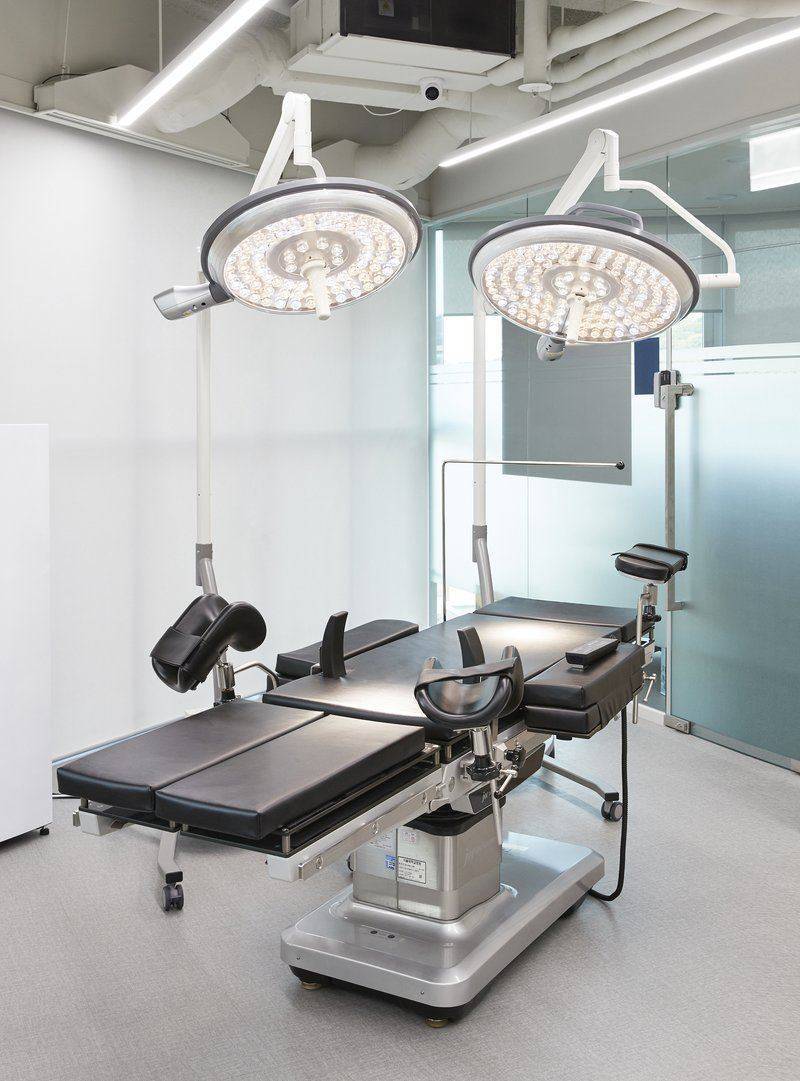
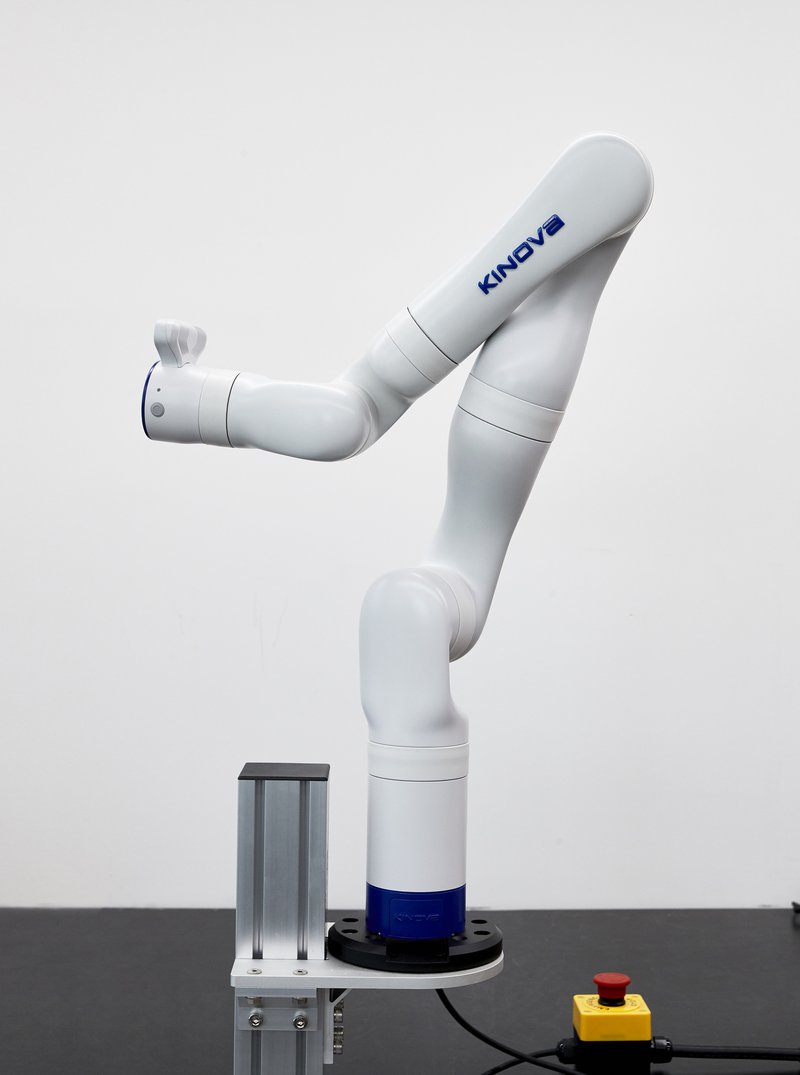
It also supports research on various medical robots used in clinical settings, including surgical, rehabilitation, and service robots. To enable research in an environment similar to an actual operating room, it has established infrastructure including a surgical bed and shadowless surgical lights, along with a range of software. This provides an environment for effectively conducting research on precision medical devices, including surgical robots.
Key Infrastructure
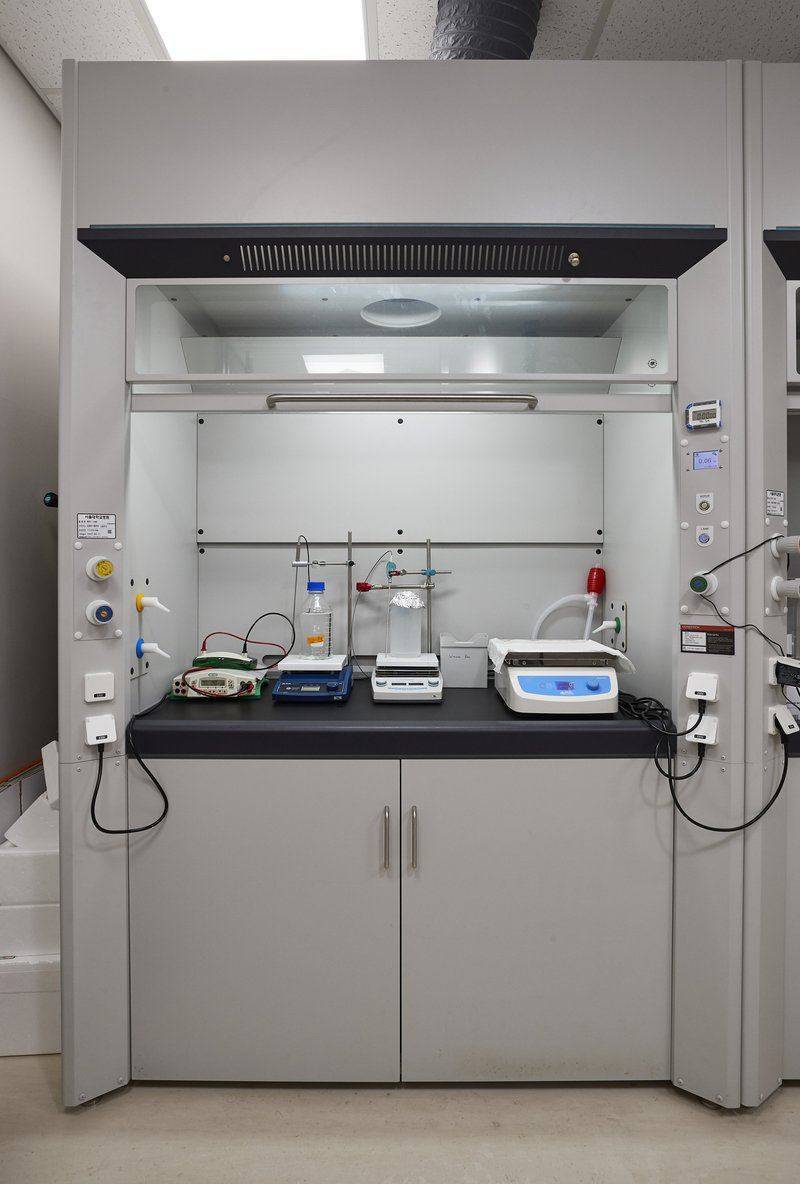
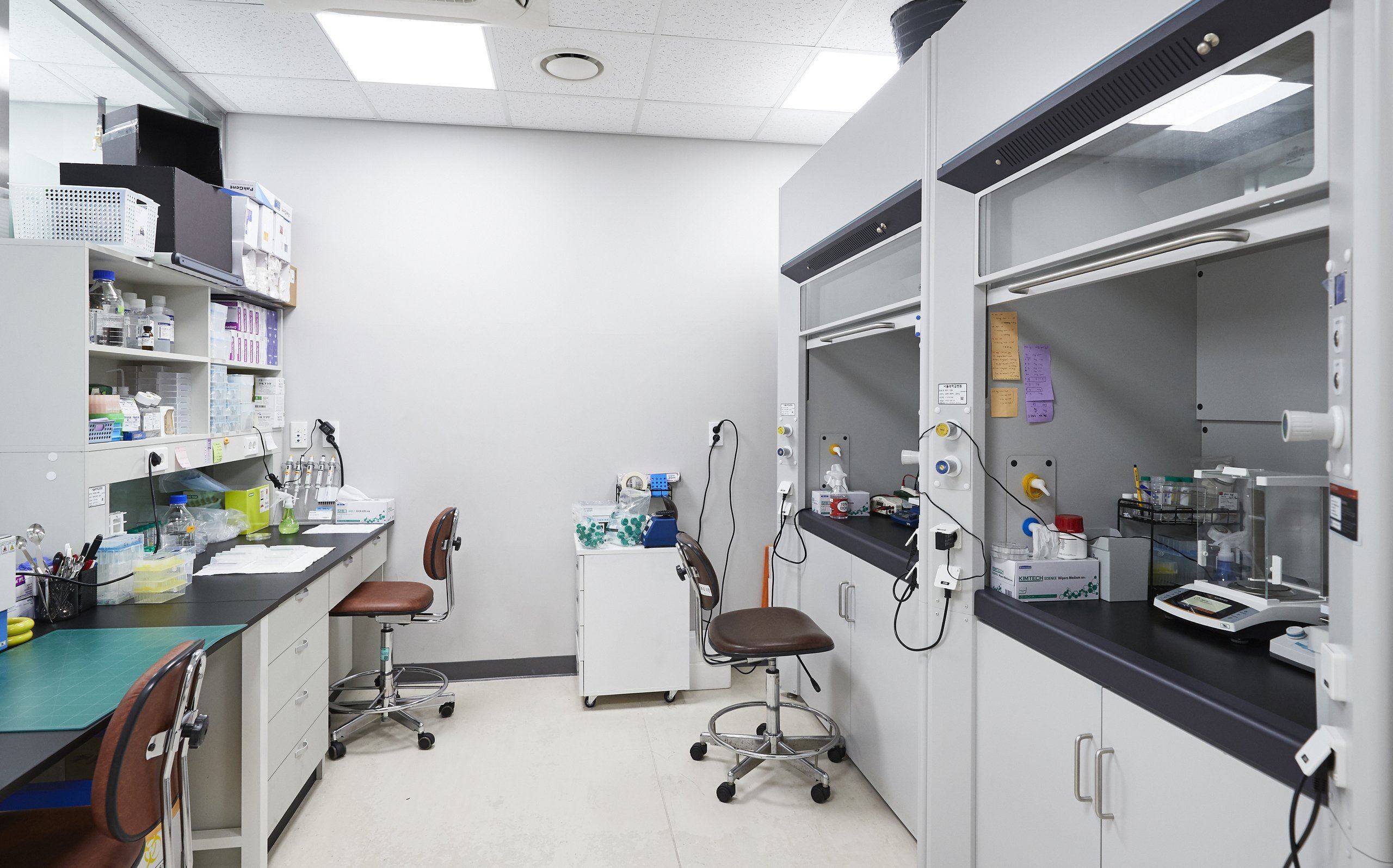
3D Bioprinting Laboratory
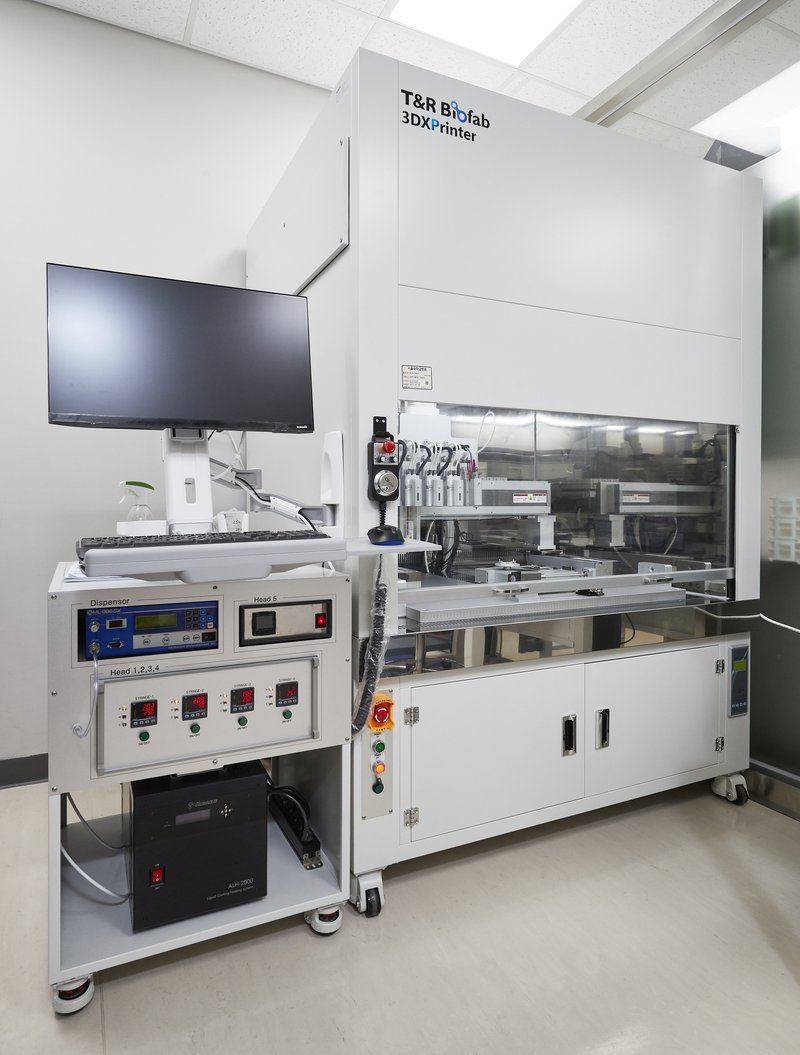
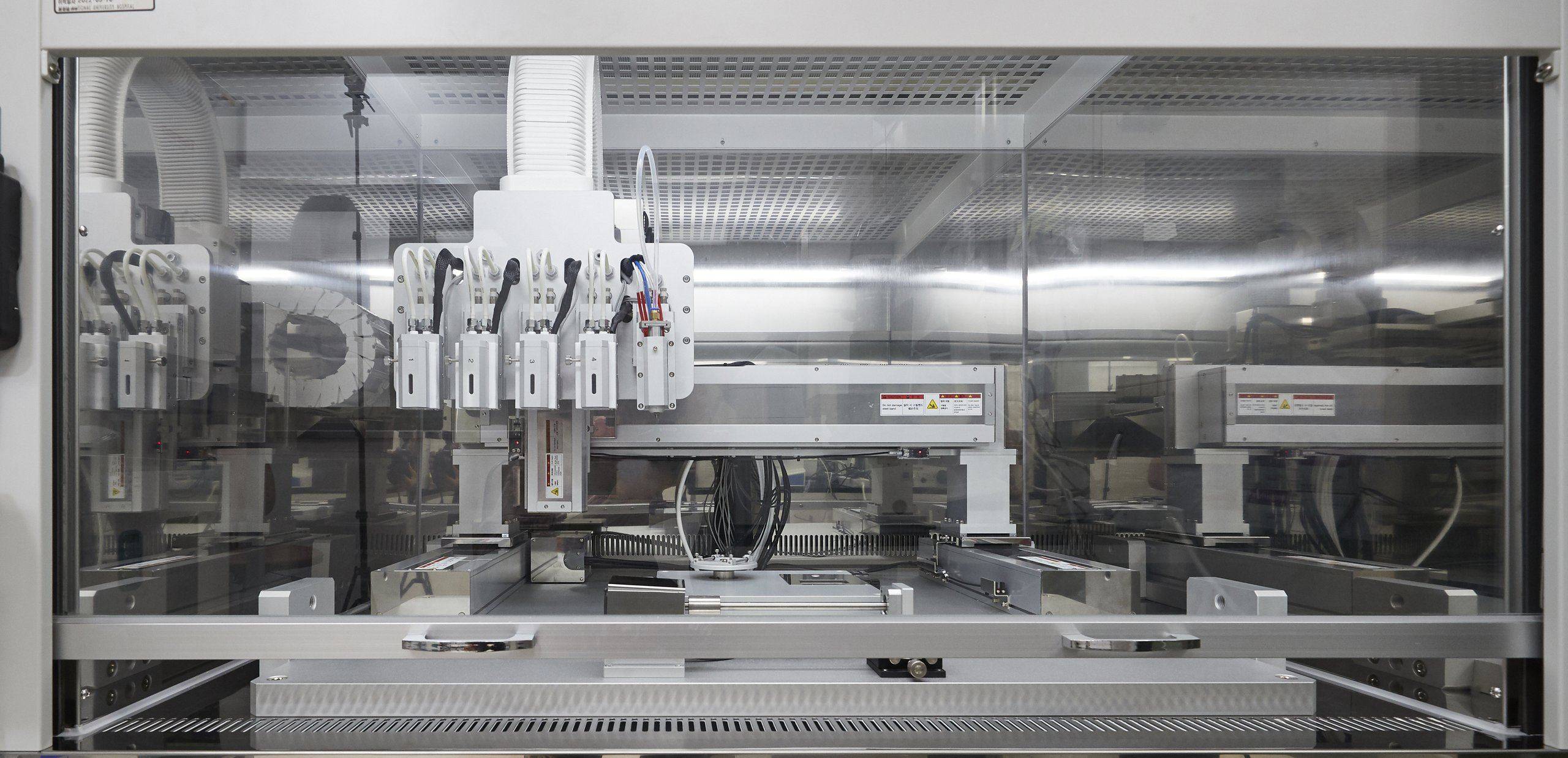
| 3D Bioprinter | Prints human tissues or structures in three dimensions using bio-ink |
|---|---|
| Material Property Measurement Equipment | Quantitatively analyzes physical properties such as the strength and elasticity of materials |
| Zeta Potential Analyzer | Measures the surface charge state of particles to evaluate properties such as stability and aggregation |
| Other Infrastructure | Fume hood, sink, lab bench, clean bench; cell storage and culture infrastructure; cell storage refrigerator, CO2 incubator, water bath, oven |
Medical Robot Mechatronics Laboratory
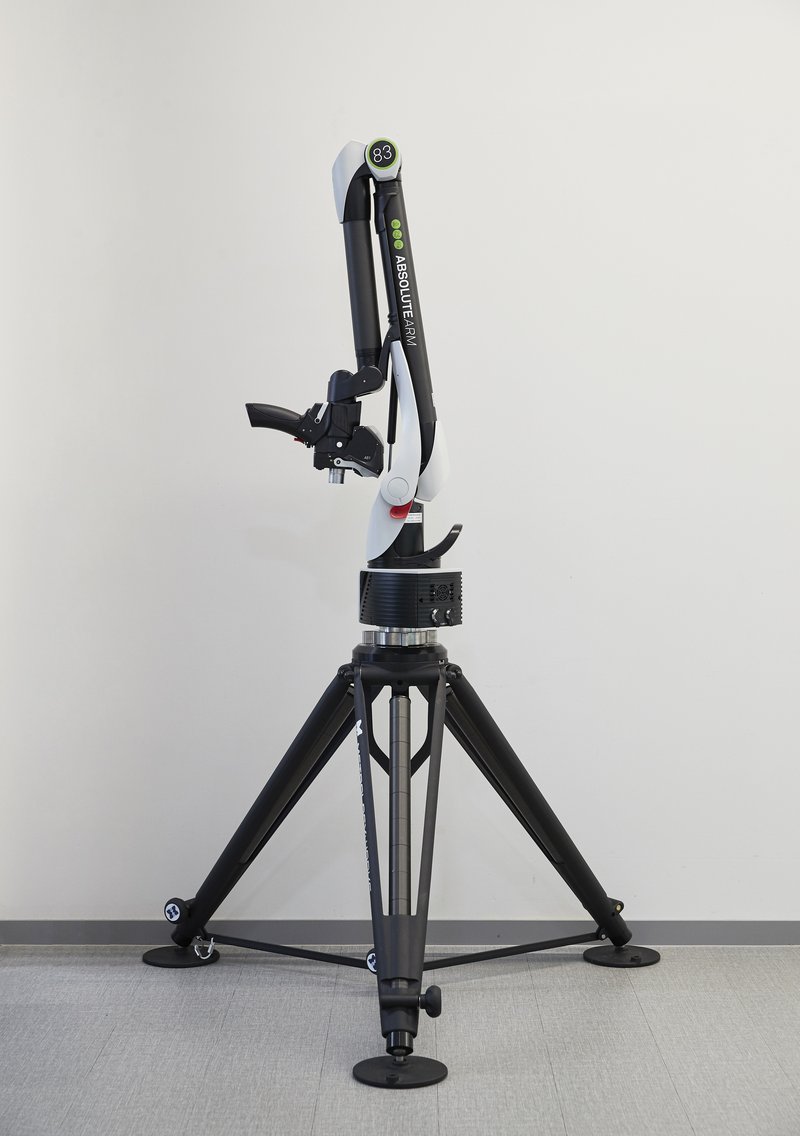
Absolute Arm 8320 & RS6 laser scanner
| Simulated Operating Room | Equipped with a surgical bed and shadowless lights to create an environment identical to an actual operating room |
|---|---|
| KUKA Medical Robot | Conducts basic research for medical robot development using two robotic arms |
| Precision 3D Scanner | Performs high-performance 3D shape scanning based on a multi-joint device capable of precise spatial position measurement, fitted with a high-resolution laser scanner or contact probe tip at the working end |
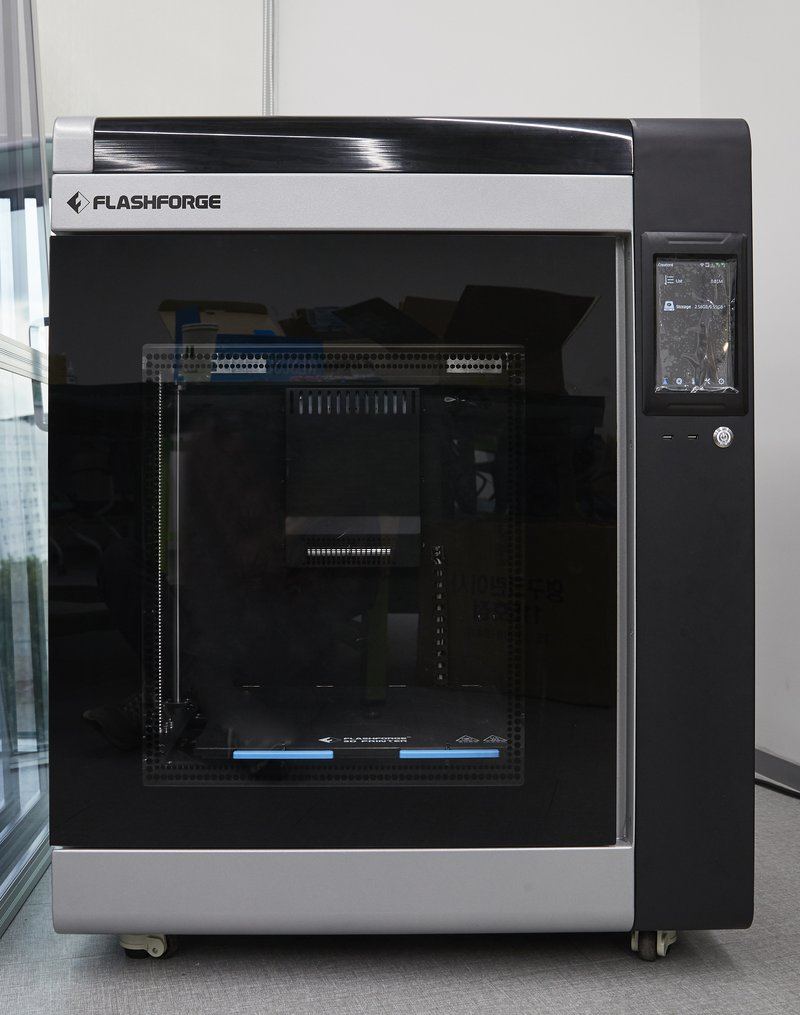
| 3D Printer | A commercial FDM 3D printer with a large build volume of up to 400mm × 350mm × 500mm |
| R&D Space | R&D space for tasks such as medical robot mechanism design and controller development |
Research Support Services
- · 3D Bioprinting Output : Support for tissue-compatible 3D bioprinting output services
- · Material Property Measurement Support : Tension, compression, flexure, friction, and torsion/adhesion testing using material property measurement equipment
- · Bio-ink Development : Support for developing new materials that enable 3D bioprinting of cells using natural and biocompatible hydrogels. Contributes not only to 3D printing inks but also to the development of functional coating materials that improve biocompatibility and drug delivery materials
- · 3D Tissue Regeneration Scaffold & Platform Development : Support for developing biocompatible synthetic polymer materials such as polycaprolactone, polylactic acid, and polymethacrylates
- · Rental of equipment such as robotic arms, haptic devices, and motion trackers, and collaborative research using them
- · Support for developing new medical robot technologies and experimental devices
- · Design, reverse engineering, 3D printing, and modeling services
About the Advanced VR Imaging Research Division
It provides an integrated support environment that connects research and clinical practice based on medical imaging and digital health technologies. It builds research infrastructure across medical extended reality (XR), medical metaverse, digital health, and ICT fields, and helps researchers and developers achieve tangible results through studio spaces, rental of various equipment, XR-based medical service development, and expert consulting.
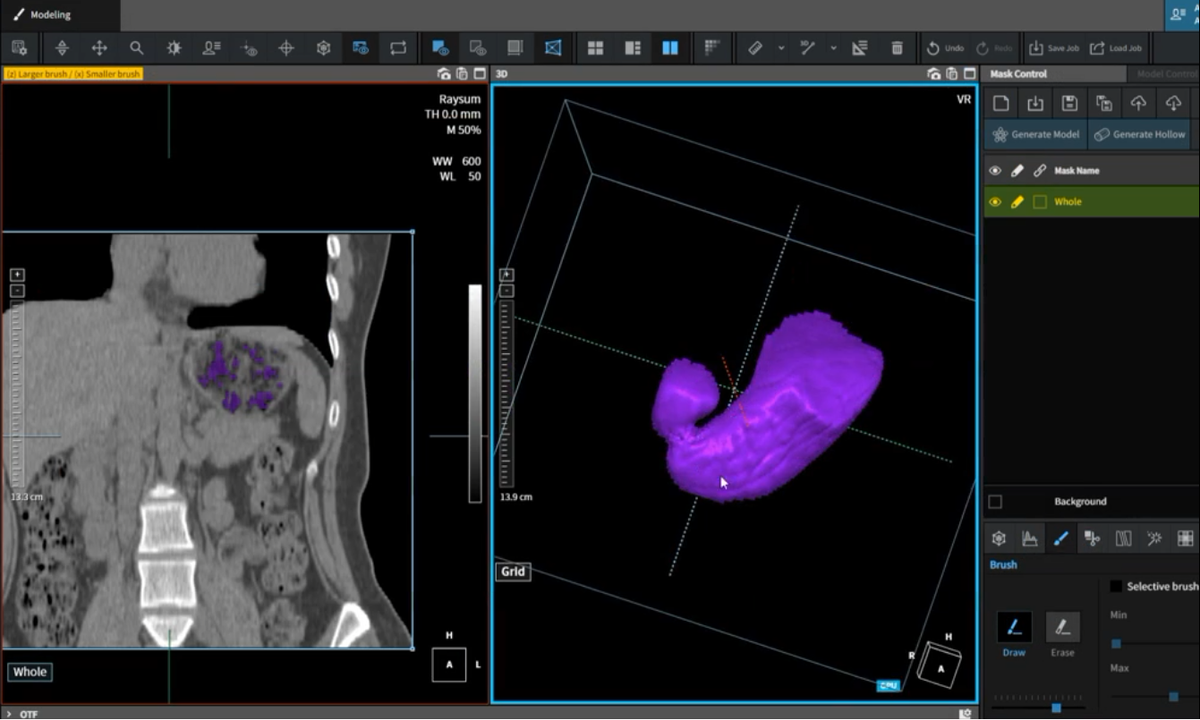
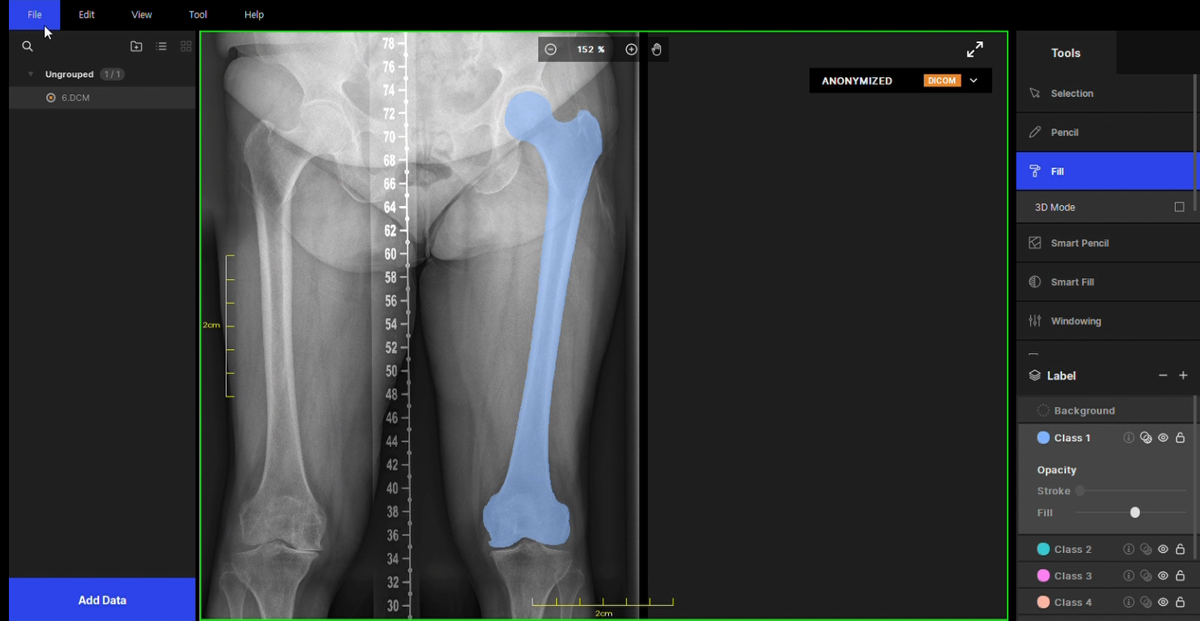
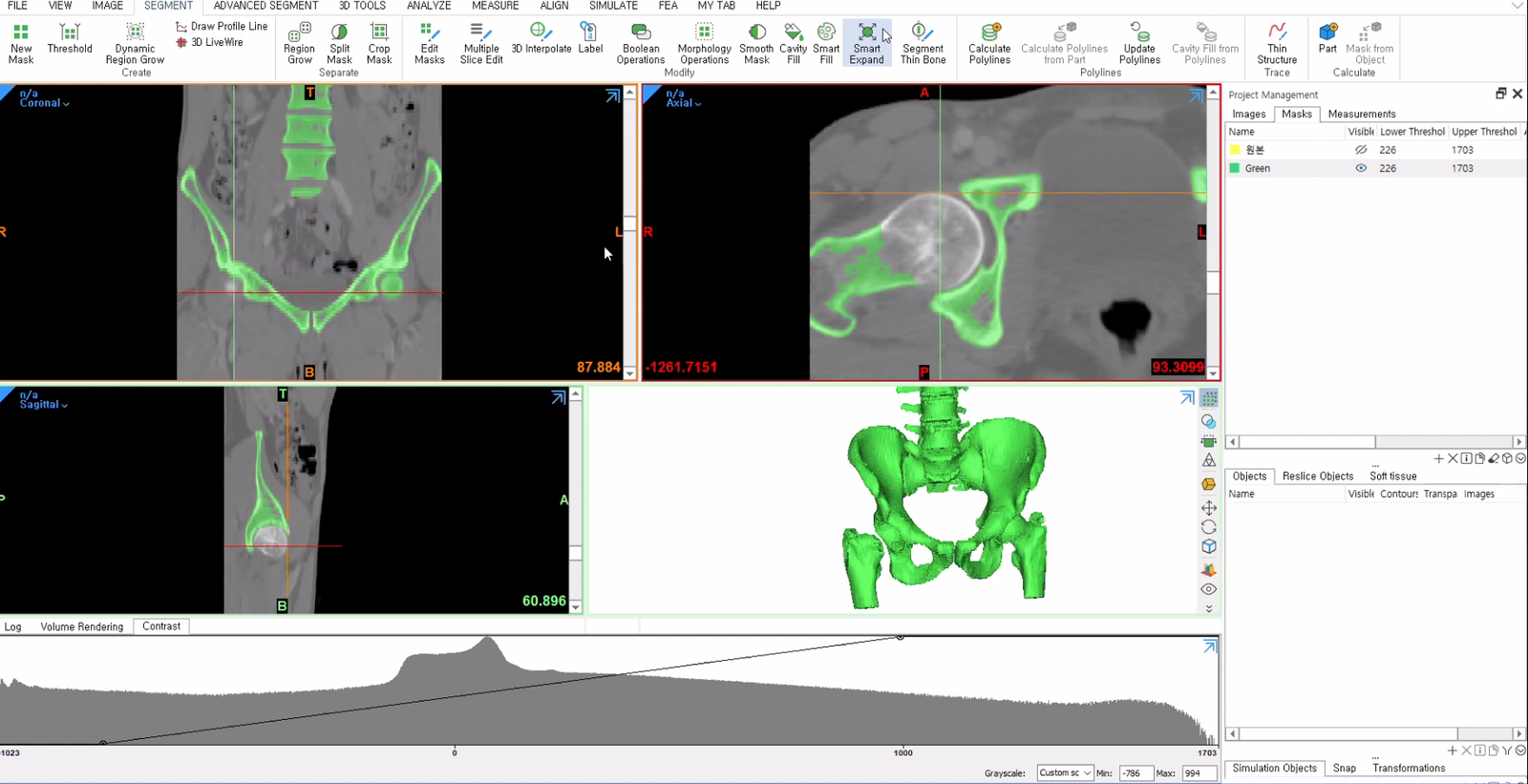
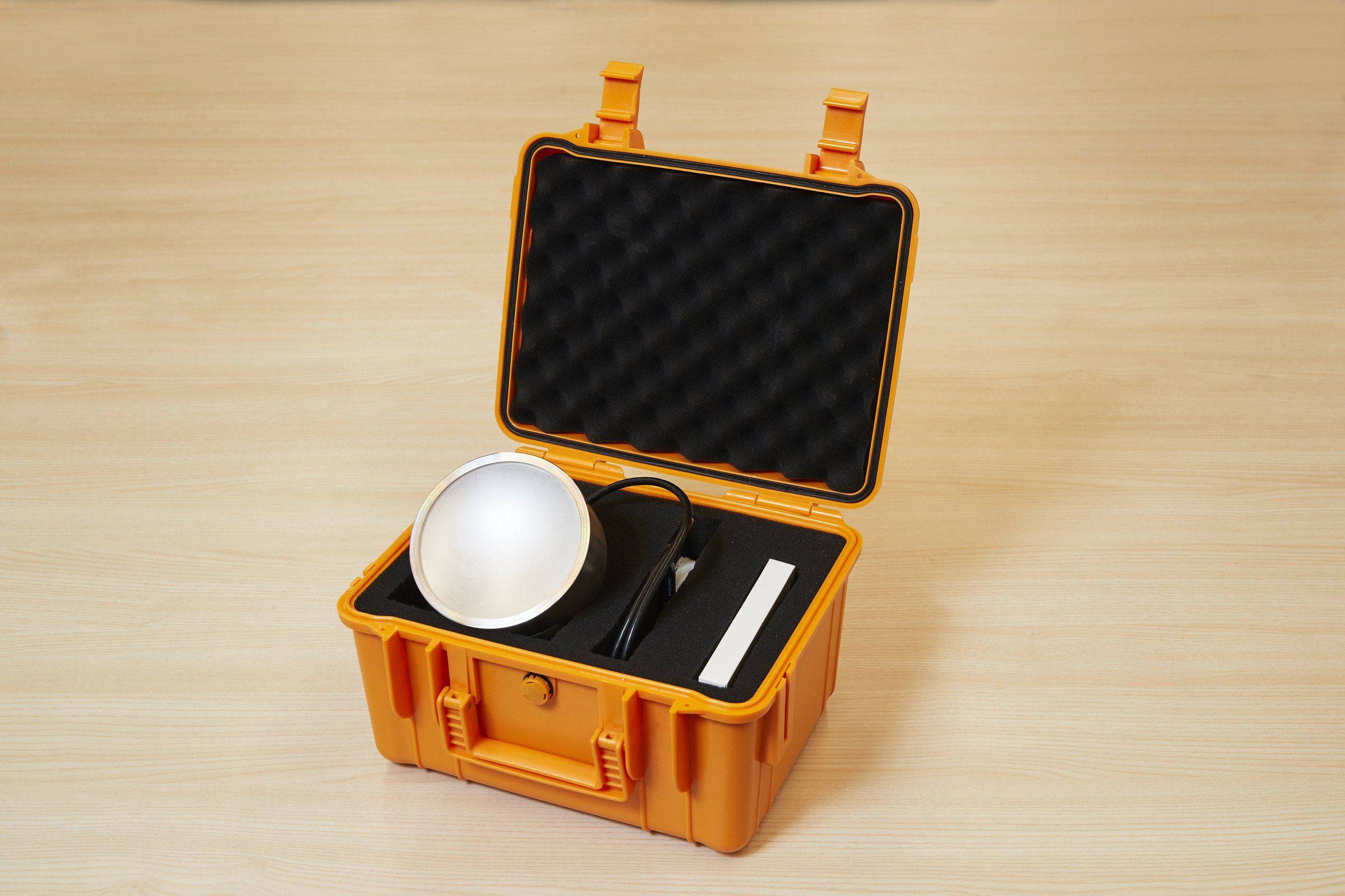
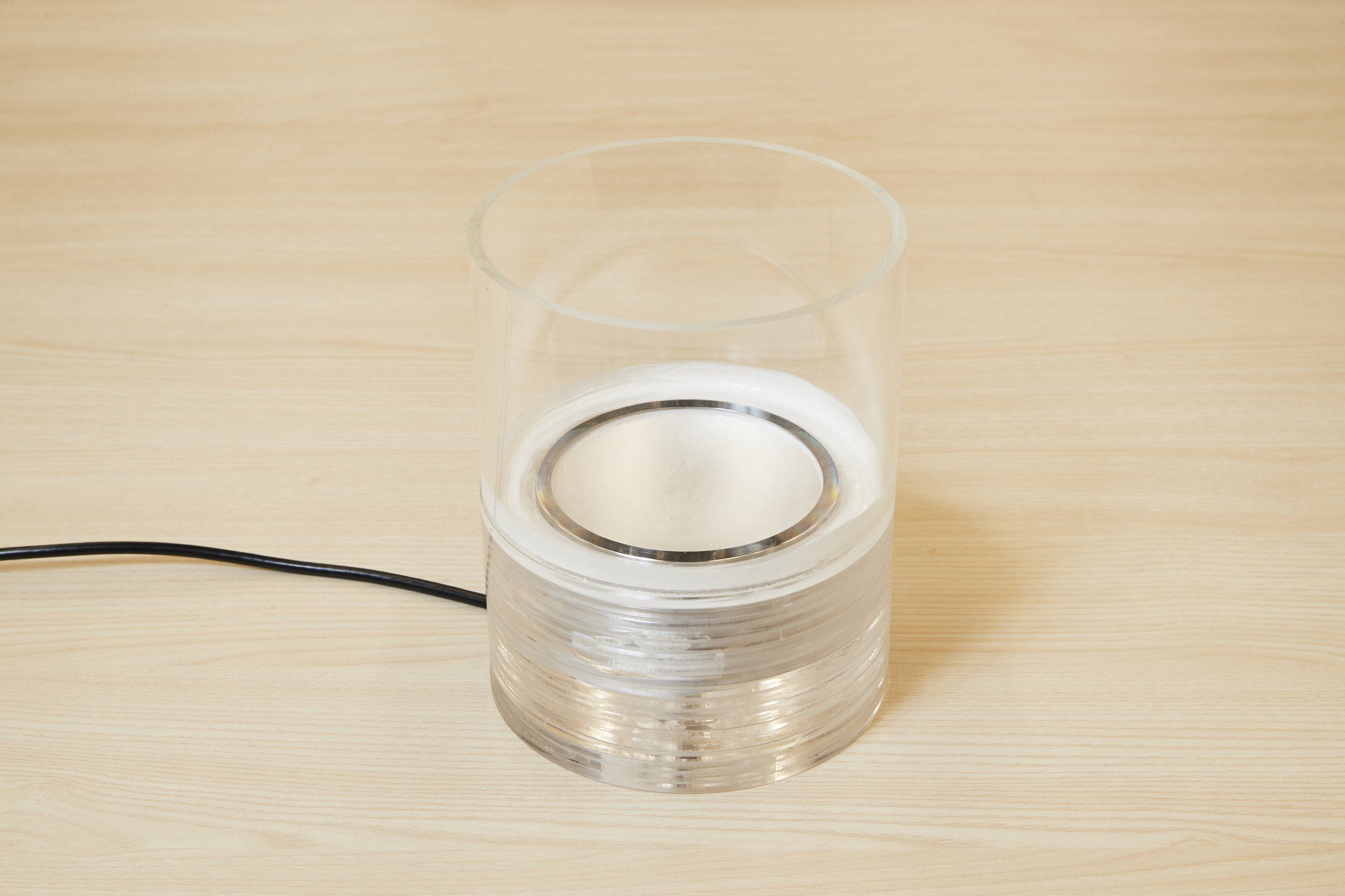
In addition, it supports diverse convergence research such as 3D printing, artificial intelligence research, and quantitative analysis through segmentation using medical images such as CT, MRI, and X-ray. Based on therapeutic ultrasound equipment setup, it provides an environment for studying biological responses including neural, immune, and drug responses. Through various advanced technologies and a professional support system, it expands new possibilities for medical research.
Key Infrastructure
Medical XR Studio
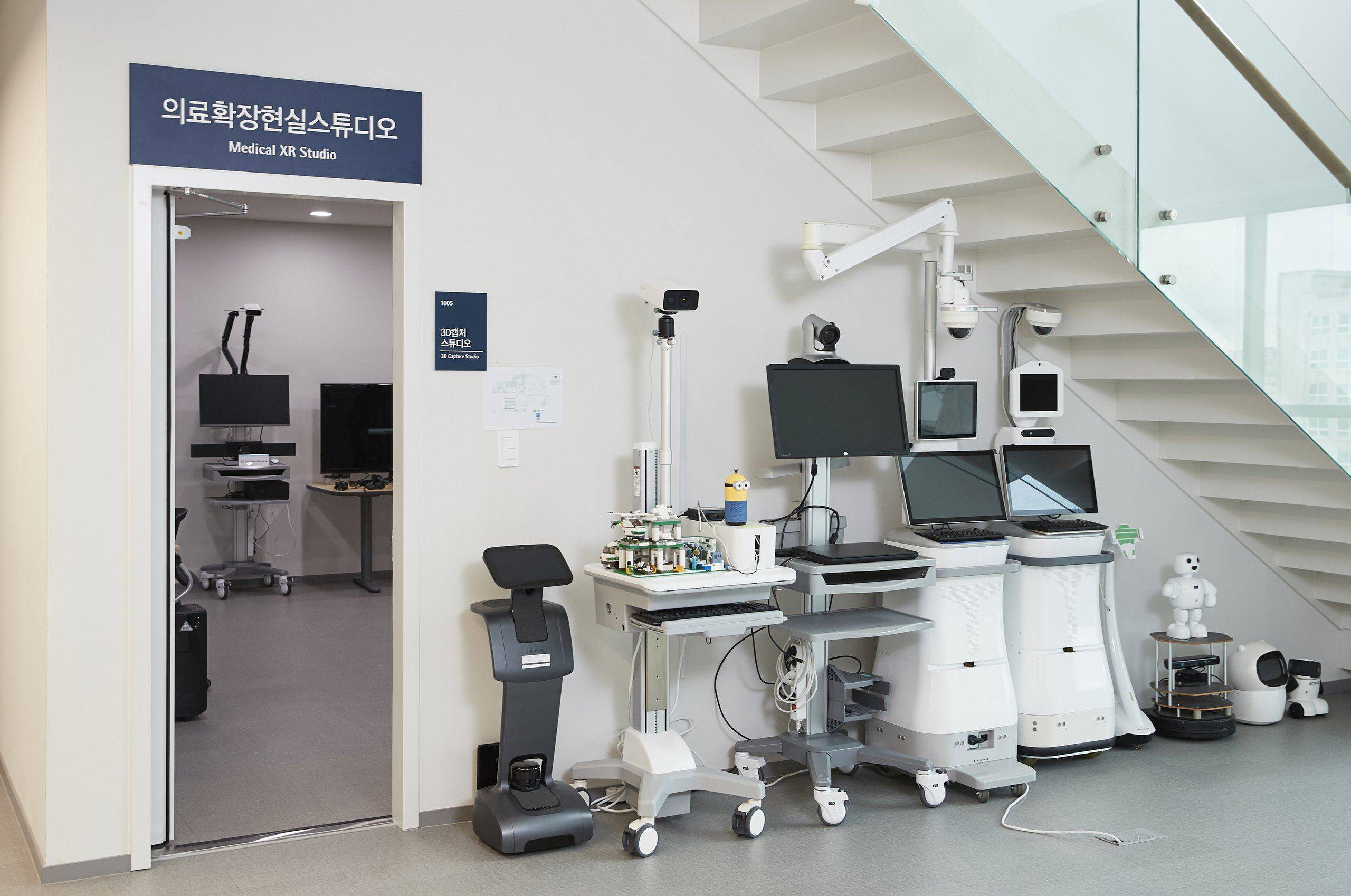
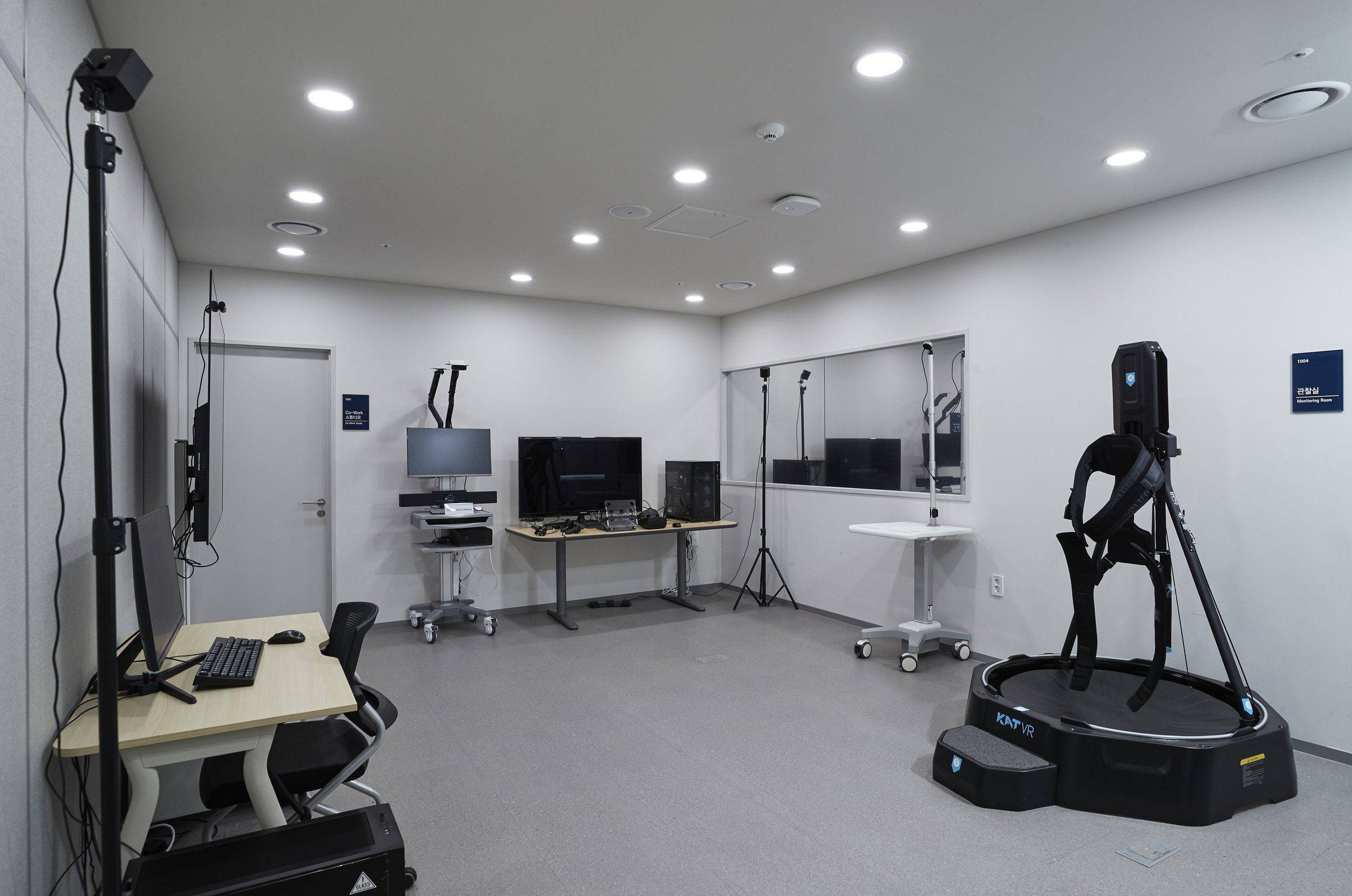
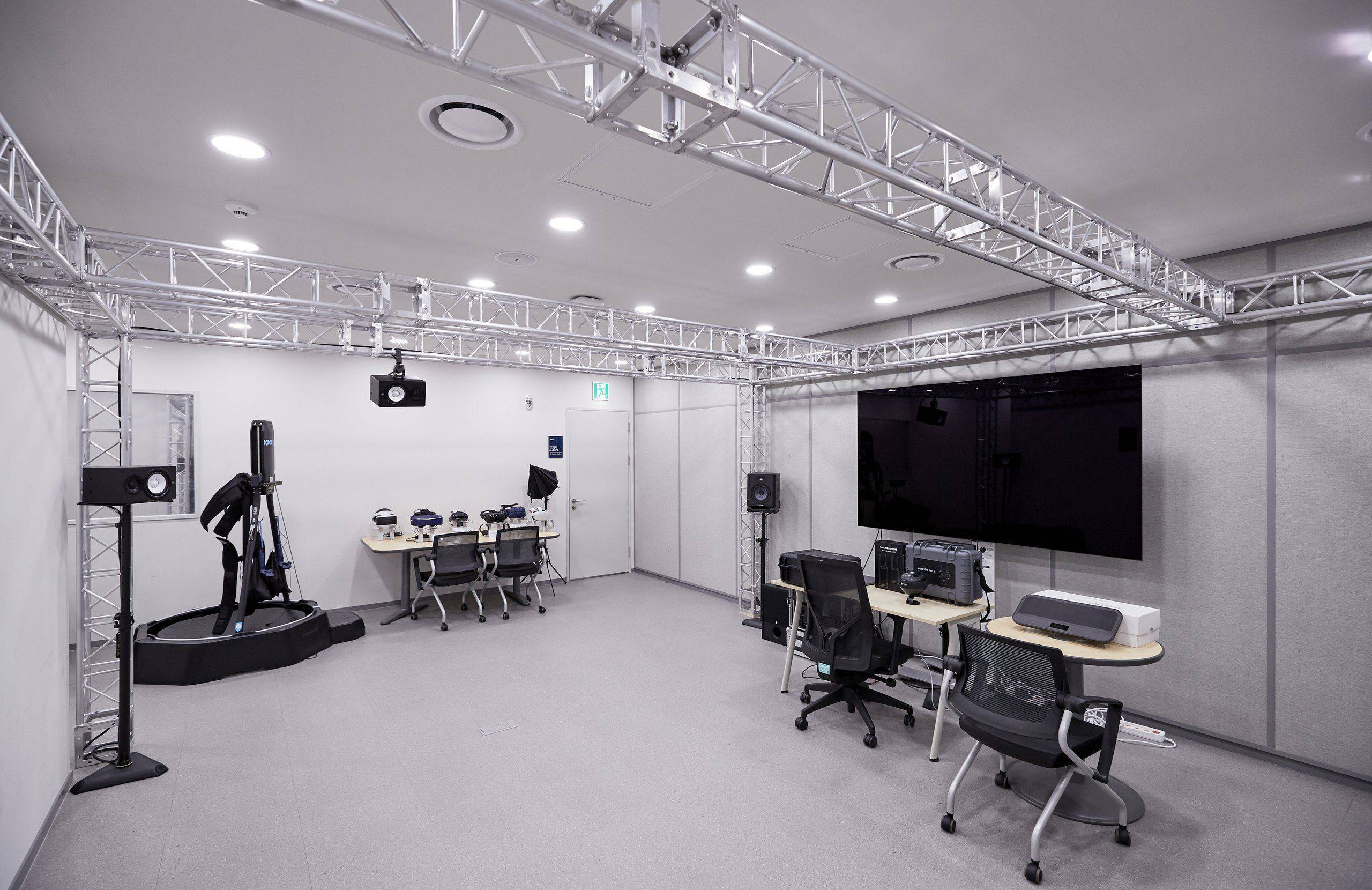
| Content Production Room | Provides a space for managing and authoring the graphic resources and assets of each test-bed control room |
|---|---|
| Observation Room | Enables evaluation, operation, and supervision via a monitoring system, and serves as a graphic workstation server room that transmits external data |
| Co-Work Studio | A space where multiple people can focus on testing collaboration for immersive medical device training and education |
| 3D Capture Studio | A separate studio that enables remote practice; it captures the trainee's motion and transmits it to the Co-Work Studio for remote collaboration |
Medical Segmentation S/W
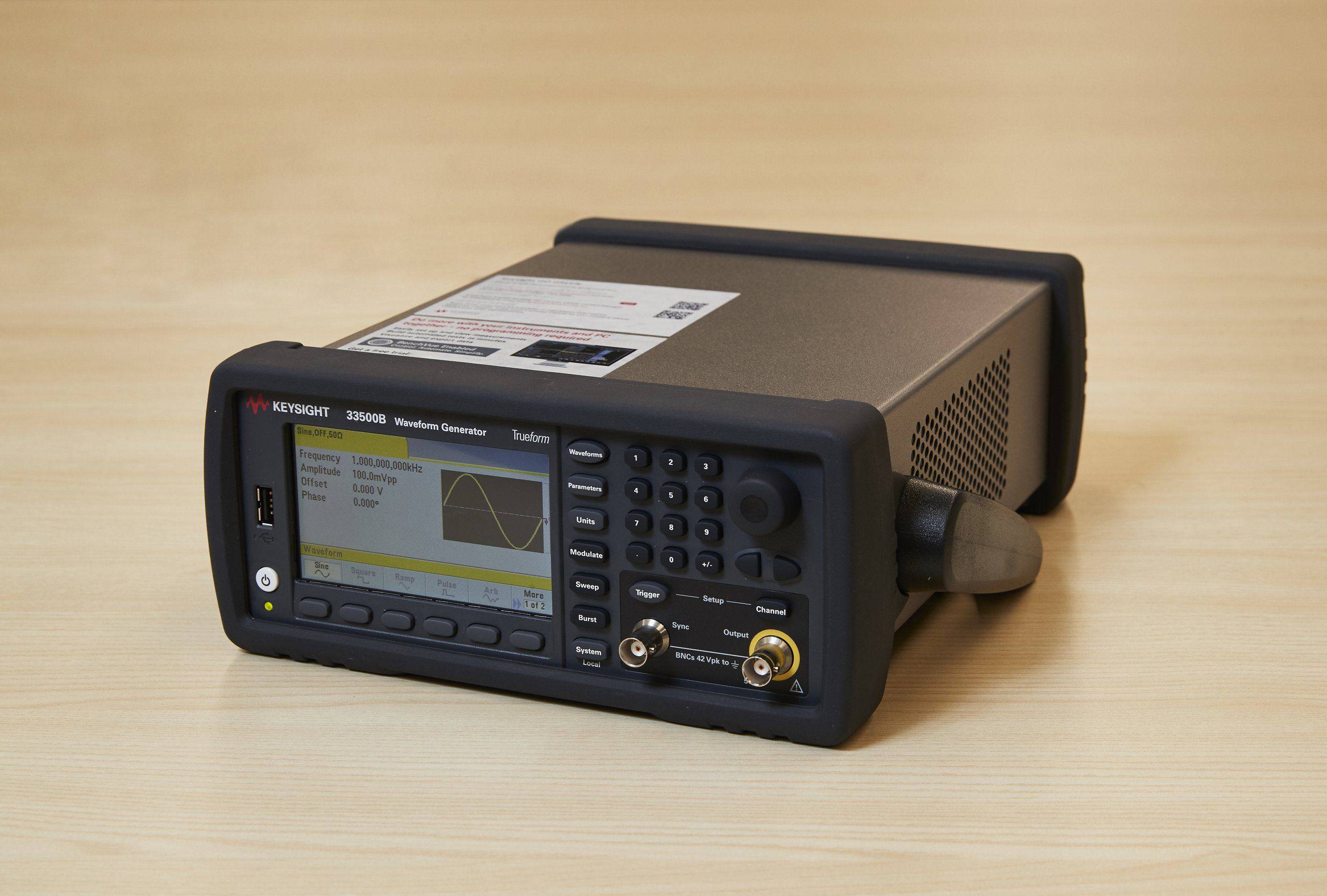
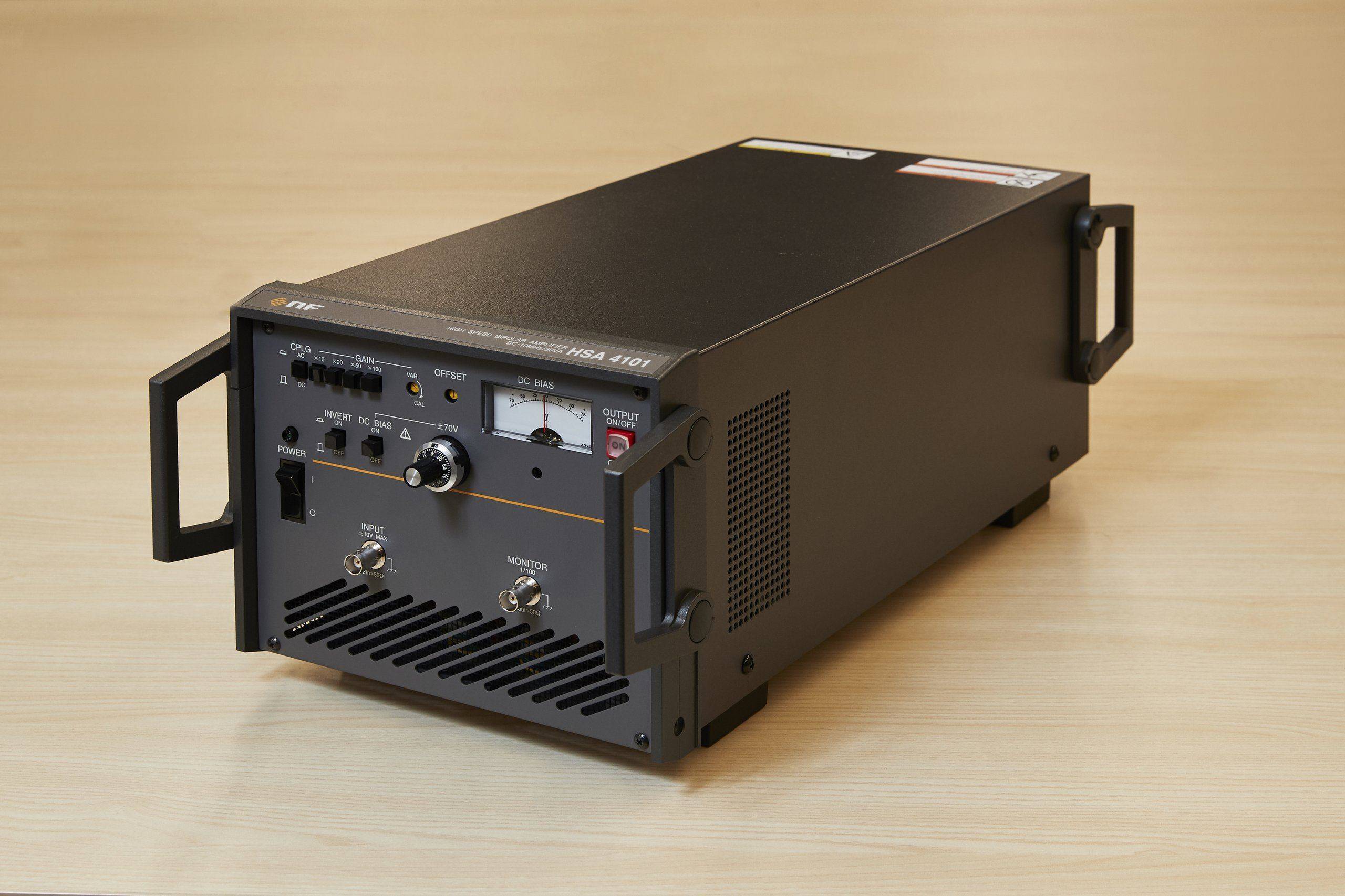
Therapeutic Ultrasound Research Setup Equipment
Key Research Support Services
- · Research and support for medical XR (AR, VR, MR) and metaverse technologies
- · Research and support for wearables, digital therapeutics, and telemedicine technologies
- · Rental of the medical extended reality studio
- · 3D segmentation requests and software rental
- · Therapeutic ultrasound research setup